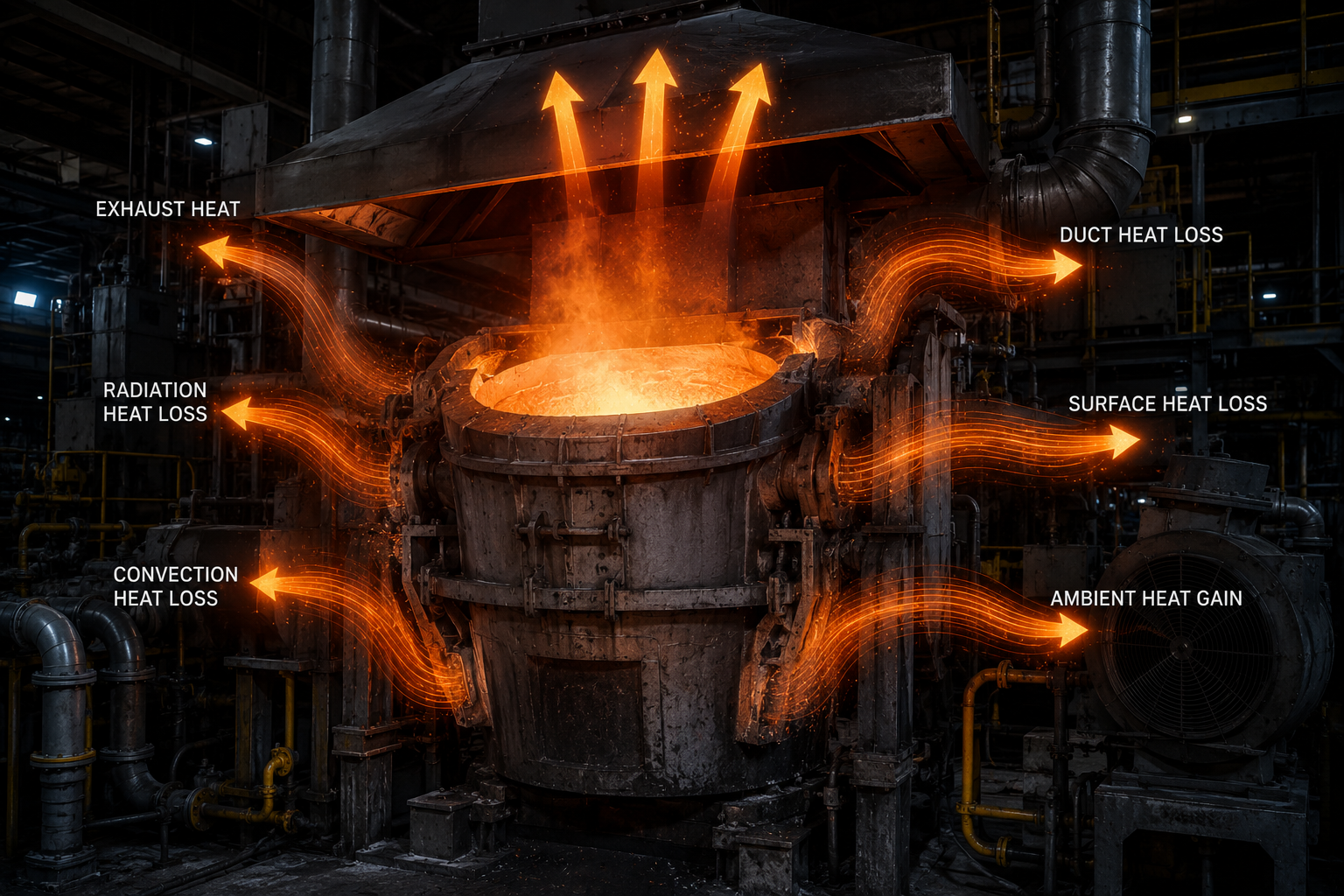
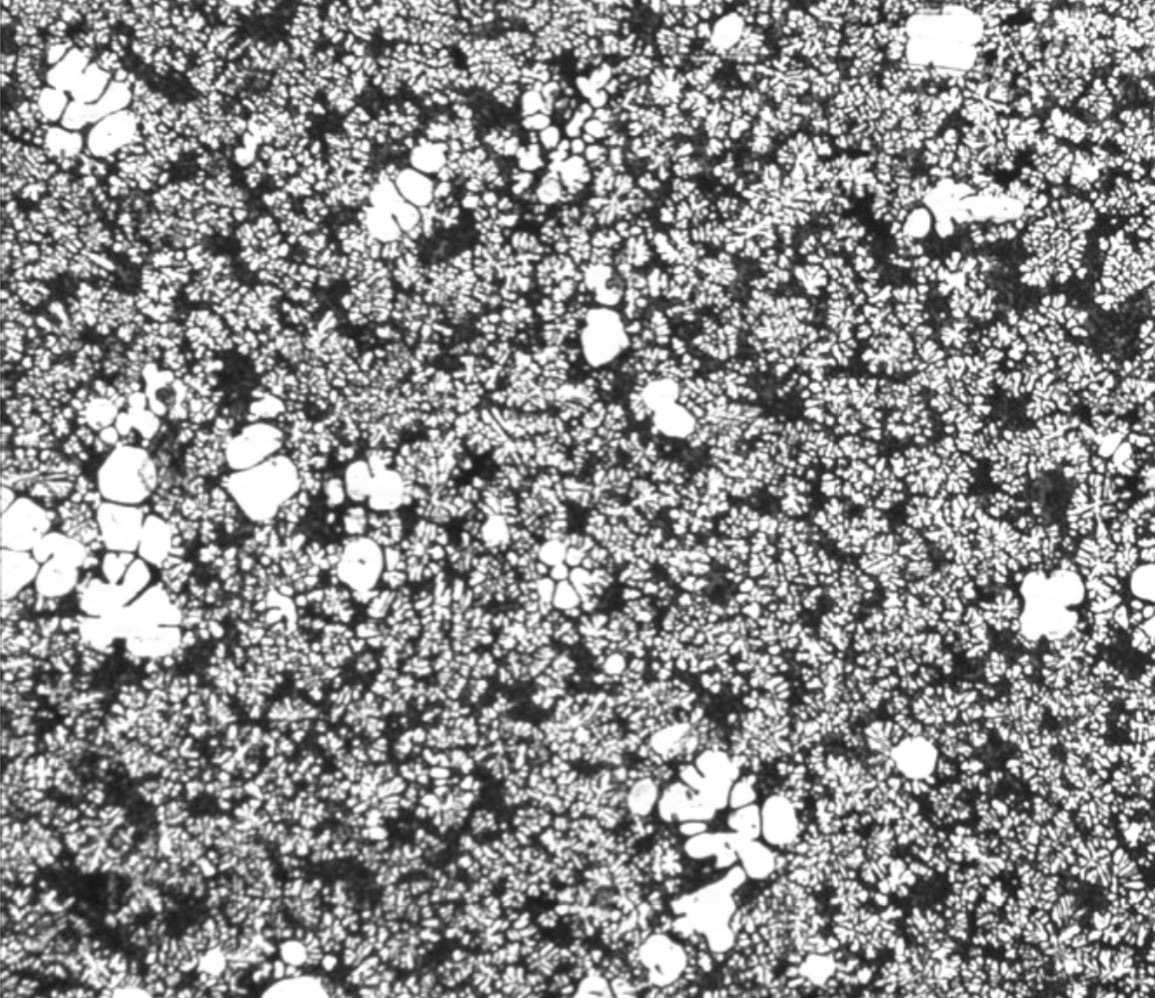
Conventional Casting
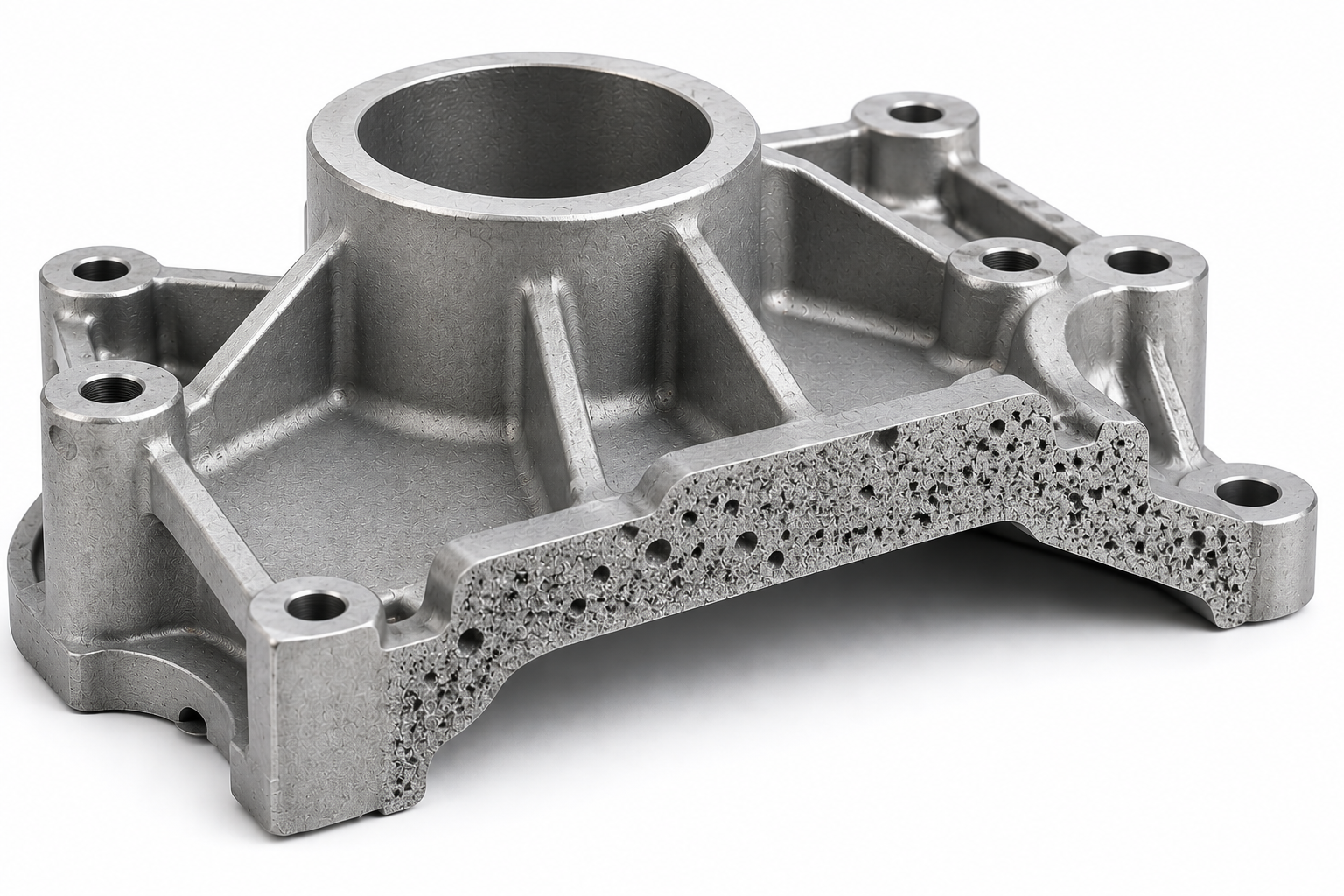
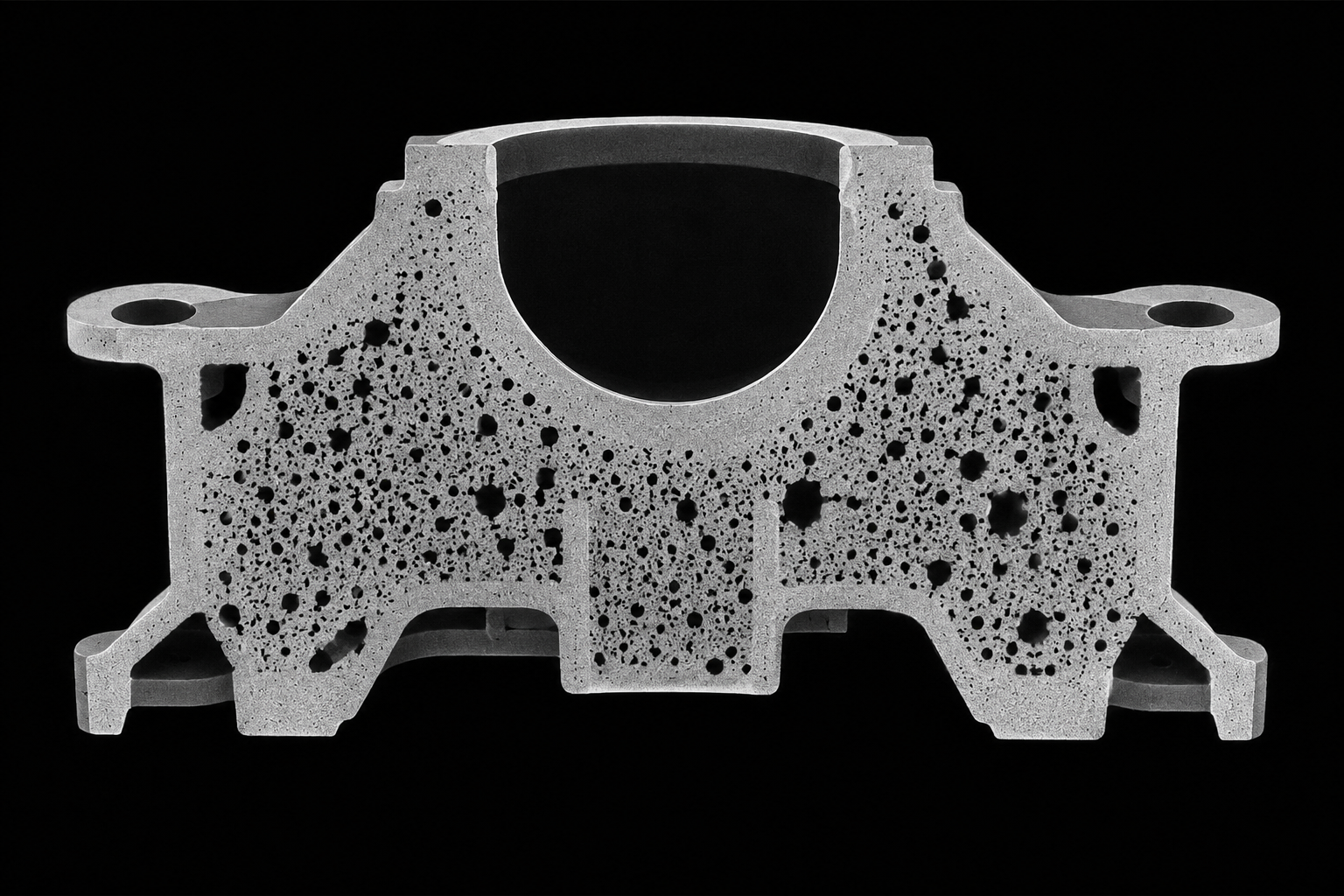
Gravity Die Casting (Conventional Process)
High Porosity- High porosity
- Lower mechanical properties
- Inconsistent microstructure
- Higher risk of leakage and cracks
- More machining and rework


A proven semi-solid casting technology that helps manufacturers reduce defects, shorten cycle time, extend die life and lower production cost.
Actual savings vary by application, part design and production conditions.
Show the business impact first. Then explain the technology behind it.

Less defects from gas and shrinkage porosity
Faster production and better machine utilization
Longer tooling life and lower maintenance cost
Lower melting energy, lubricant and water treatment
Immediate cost benefit in production
Typical investment payback period
A direct comparison helps both managers and engineers understand the value immediately.

Gravity Die Casting (Conventional Process)
High Porosity
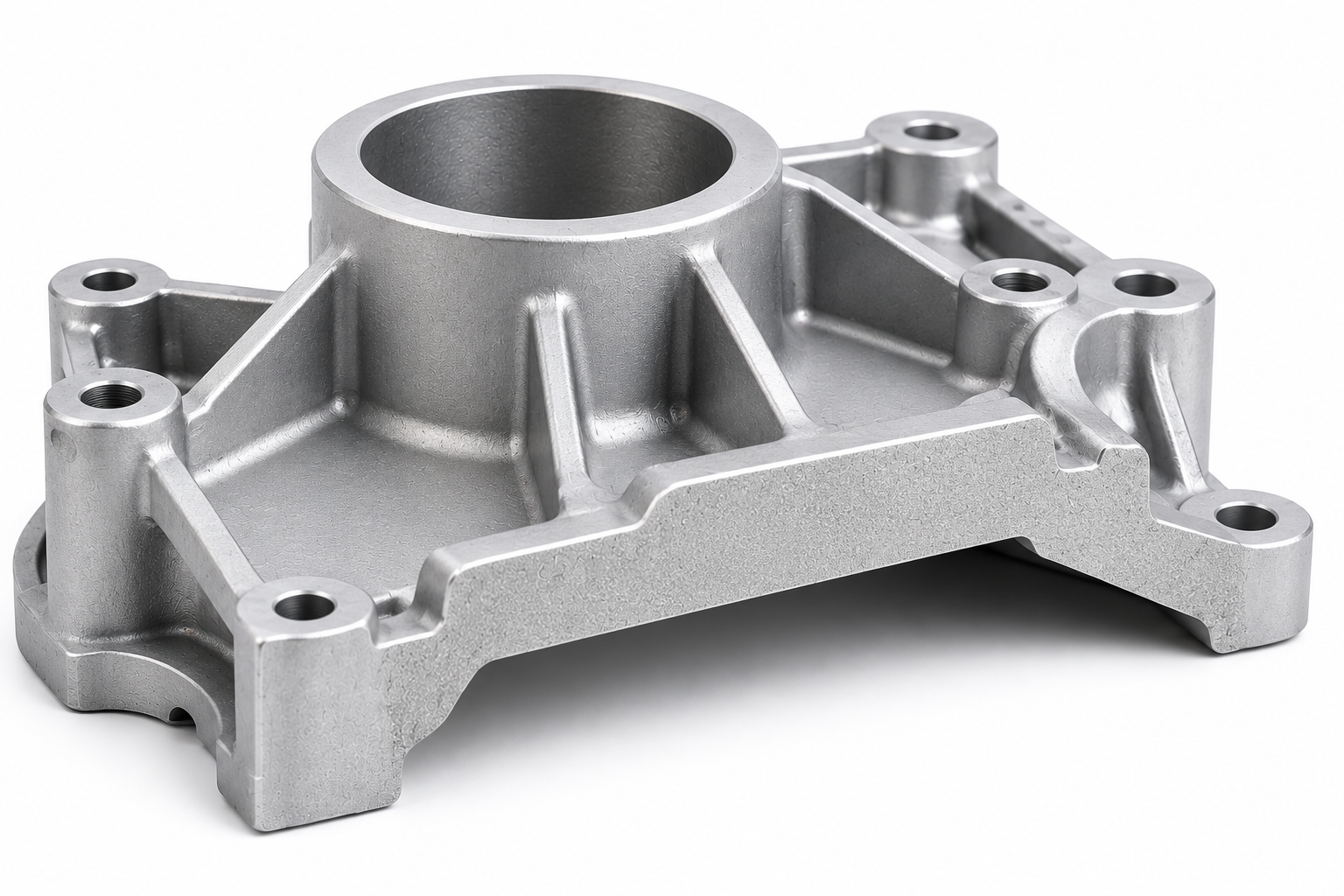
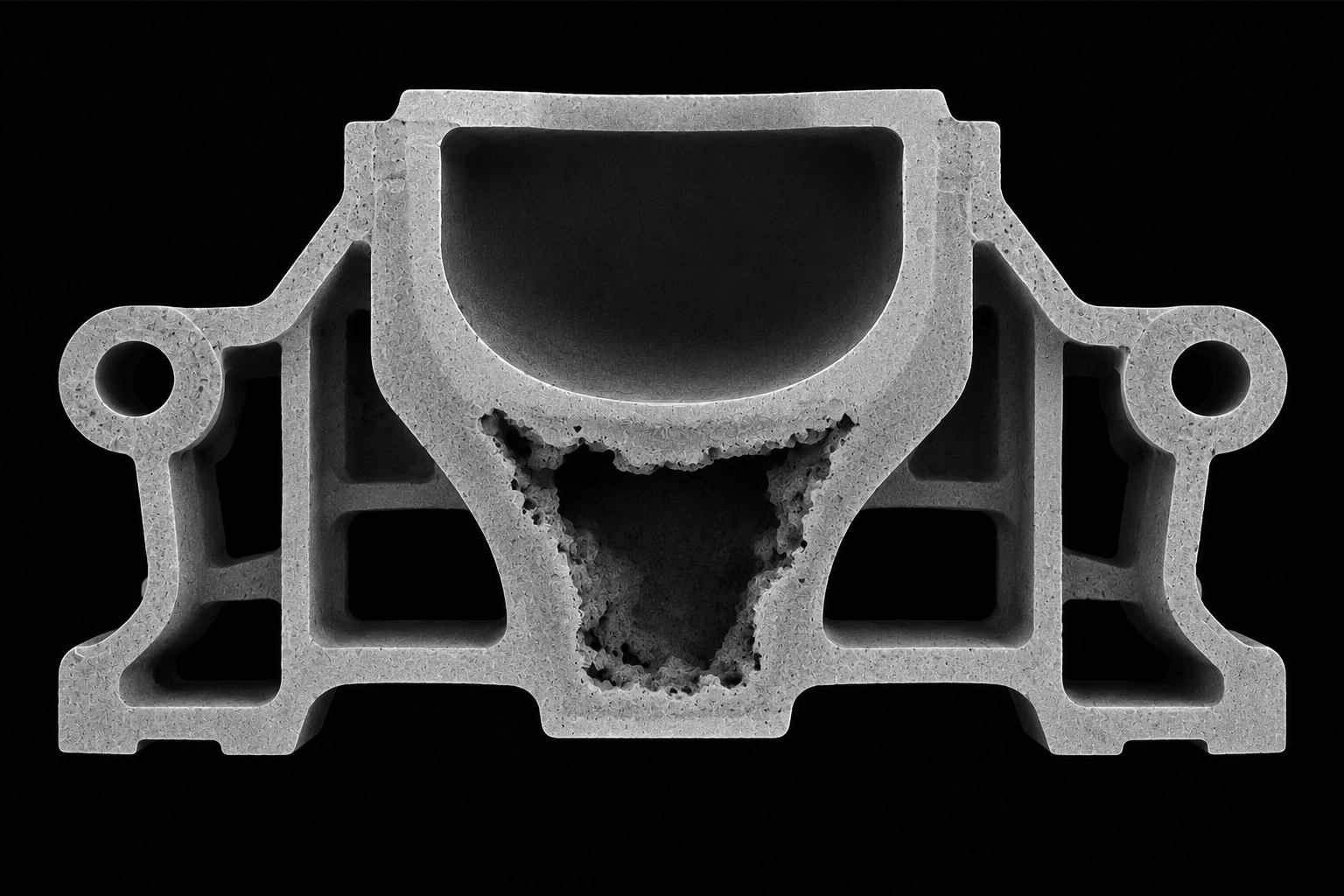
Using GISS Semi-Solid Casting Technology
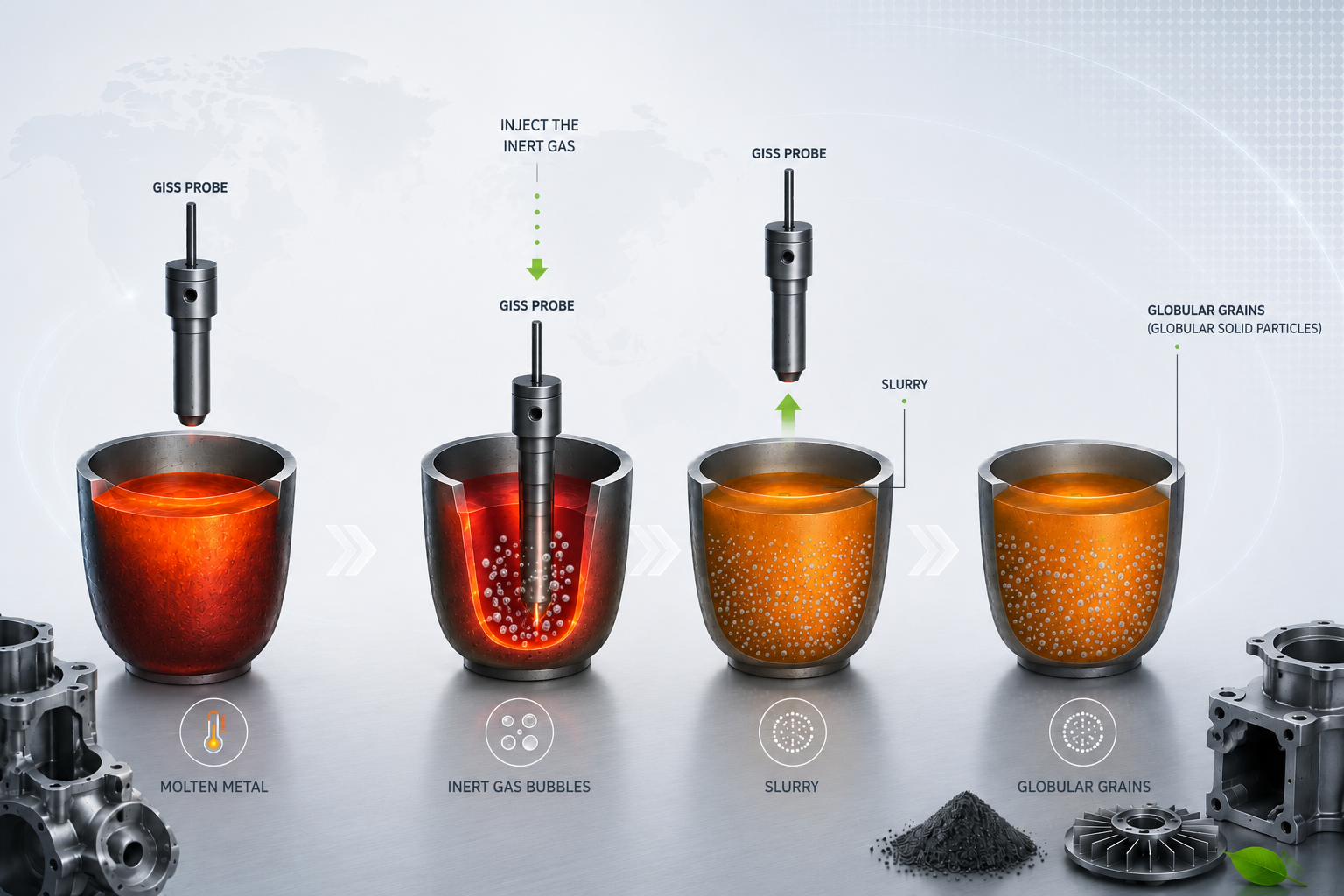
Low PorosityGISS Technology creates semi-solid slurry by injecting inert gas into molten aluminum, forming fine globular solid particles that improve flow and reduce defects.
Lower porosity and more consistent casting quality.
Shorter cycle time, less energy and longer die life.
Enable wrought aluminum alloys such as 6061, 6063 and 7075 for new applications.
Porosity, cycle time and die wear quietly drain margin from every production day.

Entrapped gas causes defects, leakage and inconsistent quality.

Poor feeding and solidification create internal cavities.

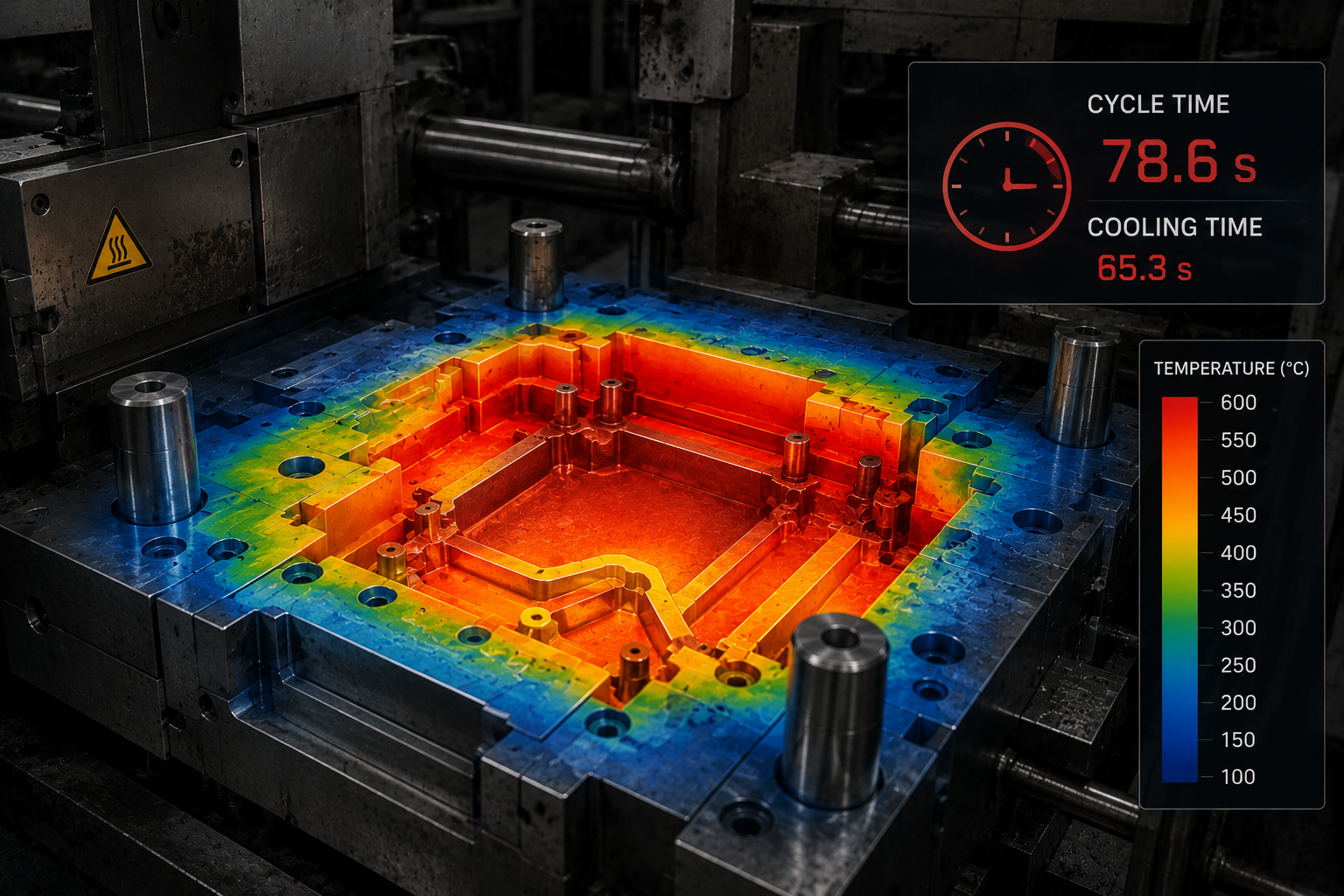
High heat content slows production and reduces output.

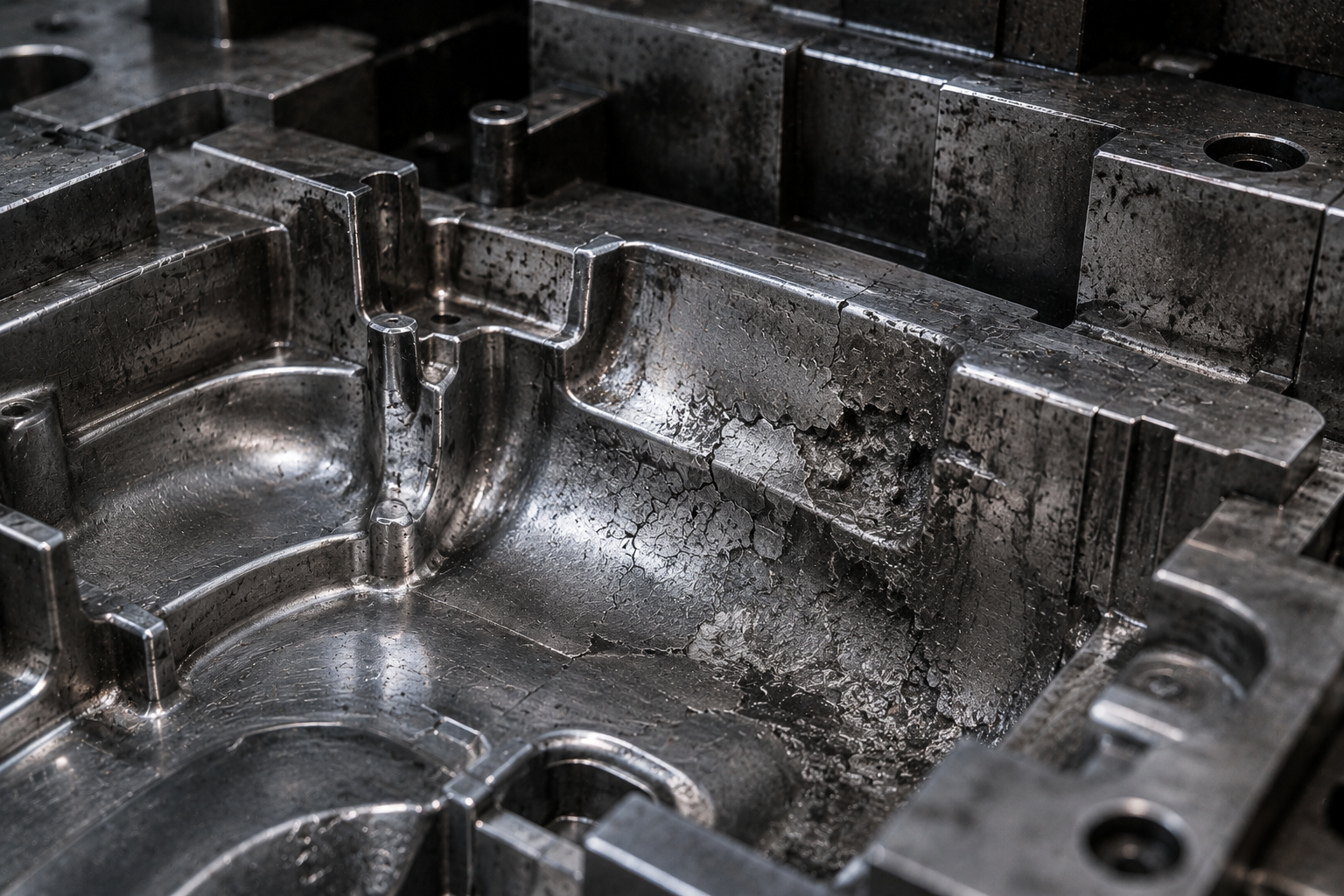
Thermal load shortens die life and increases maintenance cost.

Excessive heat, lubricant and water treatment increase cost.
GISS Technology controls the metal condition before casting, turning common production losses into measurable process improvements.
Fine globular solid particles reduce gas entrapment and shrinkage defects before they become scrap.
Semi-solid slurry carries less heat into the die, reducing thermal load and improving stability.
Faster solidification helps increase output while keeping process conditions more consistent.
Lower temperature stress reduces die wear, maintenance pressure and unplanned downtime.
This is where GISS Process should be explained: after proven results and before business benefits, so readers understand why the results happen.

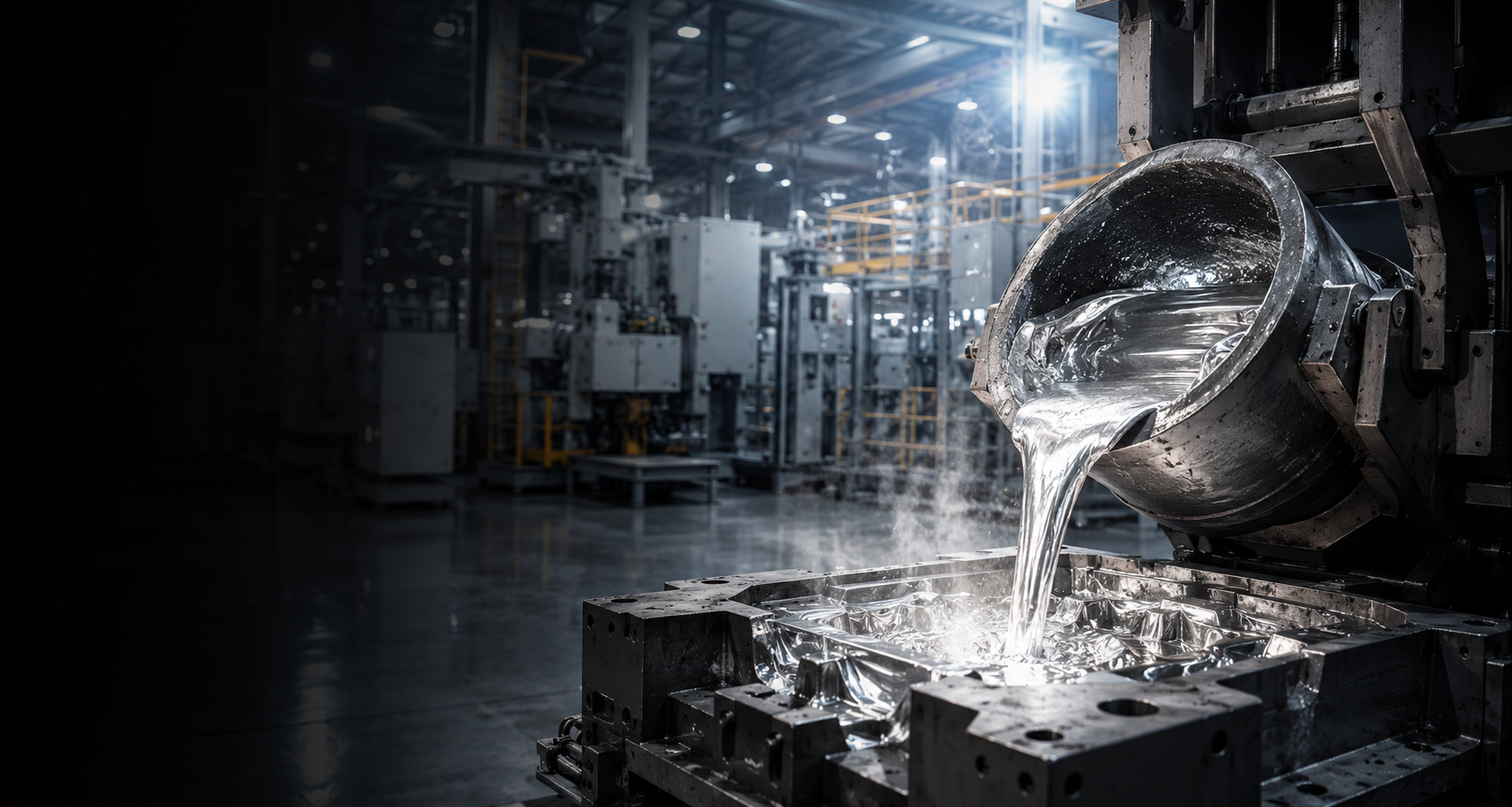
By injecting micro-sized inert gas bubbles into the liquid metal, GISS Technology converts it into superheated slurry, which effectively fills die cavities with lower heat content. This results in cost benefits like extended die life and reduced cycle time. The controllable solid fraction in the slurry allows precise flow control, reducing gas porosity and shrinkage porosity due to pre-existing solid particles.
GISSCO integrates GISS Units into existing production setups, using current die casting machines and dies, and provides full technical support, optimizing die casting parameters without needing modifications to existing die designs.
GISS probe measures and controls the melt condition.
Inert gas is injected into molten aluminum.
Micro gas bubbles mix with the melt to create slurry.
Fine globular particles improve flow and casting quality.
GISS Technology is designed for practical industrial deployment across machine sizes, part weights, casting processes and alloy families.
In the GISS high-pressure die casting process, the high-pressure die casting machine and process cycle remain largely unchanged from conventional high-pressure die casting. The only added step occurs during the ladle transfer when a diamond probe is immersed. Therefore, no significant modifications are needed for existing high-pressure die casting equipment.
Adding the GISS process to create semi-solid slurry before squeeze casting is very simple. This process results in high density, near-zero porosity, heat-treatable, and high mechanical properties.
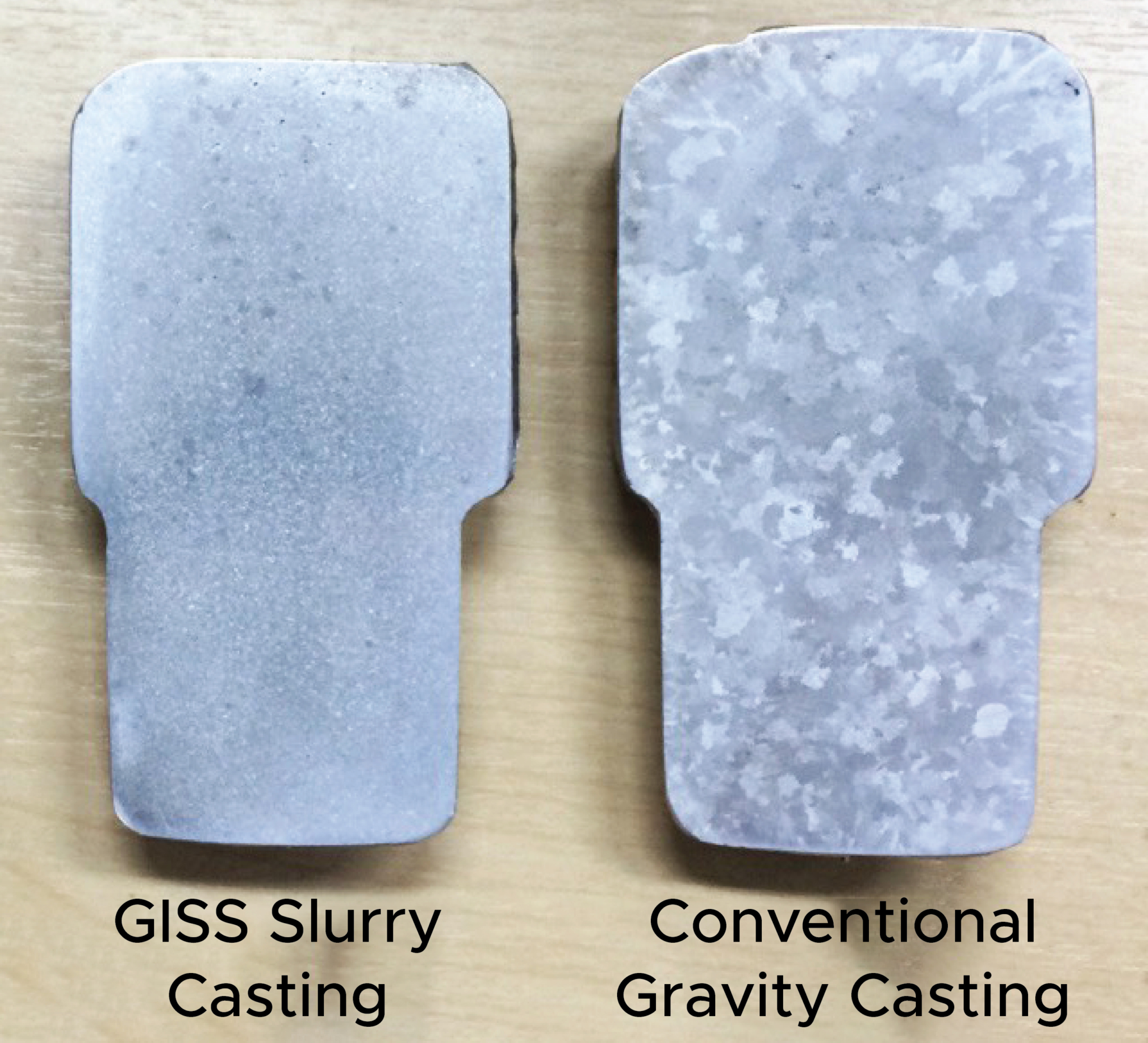
GISS slurry casting under gravity pressure produces finer, more uniform grain structures with less shrinkage porosity. This process shortens solidification time by 40%, resulting in significant cycle time savings, improved mechanical properties, and better casting yield.


GISS Technology can process pure aluminum, copper, silver, gold, and other metals, as well as a wide range of commercial alloys including aluminum, magnesium, zinc, copper, lead, tin, and iron. In fact, all metals and alloys can be effectively processed with GISS Technology.

Turn technical features into benefits that decision makers can understand in seconds.
Reduce gas porosity and shrinkage porosity.
Shorter cycle time and higher machine productivity.
Lower thermal load extends tooling lifetime.
Reduce melting energy, lubricant and water treatment.
Estimate annual savings from lower reject rate, lower cost and shorter cycle time.
Estimate based on reject reduction, shorter cycle time and machine utilization assumptions.
Microstructure evidence and engineering data behind GISS Technology.

Fine globular solid particles improve flow behavior and reduce turbulence during die filling.
Controlled slurry formation helps reduce air entrapment, one of the main causes of gas porosity.
Semi-solid metal carries less heat into the die, supporting shorter cycle time and lower energy demand.
A more uniform microstructure supports better strength, consistency and downstream finishing potential.
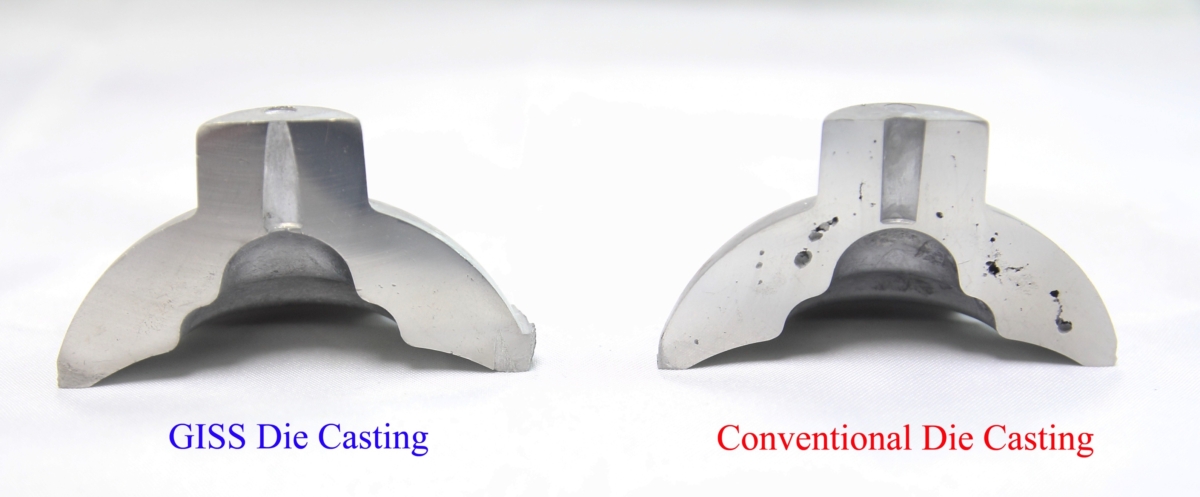
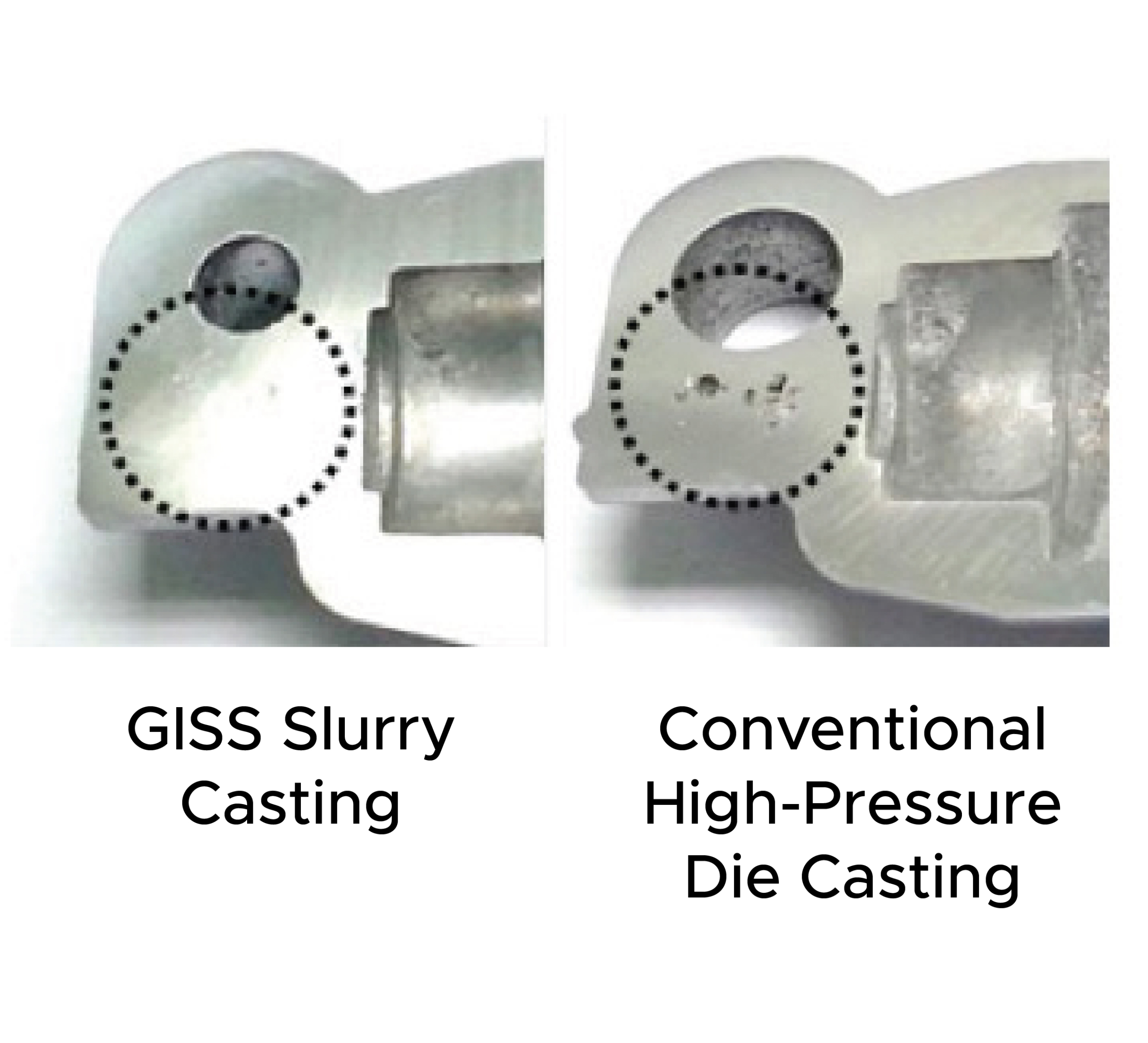
Before / after manufacturing evidence from real-world casting applications.
74% reduction
Cleaner internal structure
Higher consistency
GISS Technology is designed for practical industrial adoption without major factory disruption.
Lower heat input and more efficient production support energy reduction, resource efficiency and ESG goals.
Led by the founder who developed the technology at MIT, our team supports customers from process setup to production optimization.
Review part design, machine conditions and production goals.
Tune casting parameters for lower defects and stable quality.
Support installation, training and onsite troubleshooting.

Technical papers, process data, case studies and consultation are available for engineering teams.